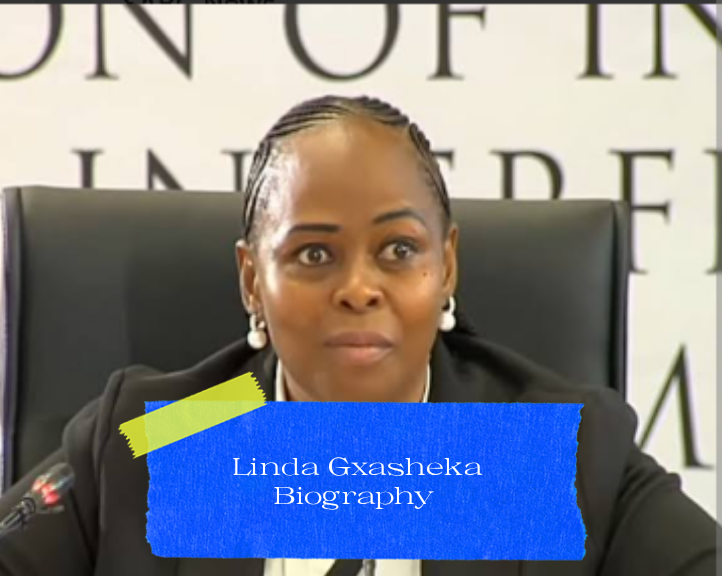
Linda Gxasheka is a key figure in South African local government. She serves as the head of human resources for the City of Ekurhuleni, a large municipality in Gauteng province. In recent times, she has gained attention due to her role in an ongoing investigation. On February 26, 2026, she appeared before the Madlanga Commission of Inquiry in Pretoria. This commission looks into claims of corruption and poor management in the Ekurhuleni Metropolitan Police Department, known as EMPD. During her testimony, Gxasheka strongly denied claims that she helped protect a senior police official from facing discipline.
The Madlanga Commission started to probe serious issues in the municipality. These include how officials handle discipline, contracts, and safety concerns. Gxasheka’s suspension happened in December 2025. The city placed her on precautionary suspension, which means she steps aside while investigations continue. This action came after witnesses at the commission suggested she was part of a group shielding corrupt actions. But Gxasheka pushed back, saying she actually started some suspensions and even feared for her safety after doing so.
To understand who Linda Gxasheka is, we need to look at her as a professional in public service. She has worked in human resources for many years, focusing on staff management and fair processes. Her story highlights bigger problems in South African cities, like how to fight corruption and ensure leaders are accountable. This article will cover her background, career steps, and what the recent events mean for governance. By reading this, you will learn not just about one person, but about how local governments work and why transparency matters.
South Africa has many municipalities like Ekurhuleni, which handle services such as police, water, and roads. Human resources heads like Gxasheka play a big role in hiring, training, and disciplining staff. When things go wrong, inquiries like the Madlanga Commission step in to find facts and suggest fixes. Gxasheka’s case shows how one person’s actions can affect an entire system. She has spoken about ignored reports on wrongdoing, pointing to deeper issues. For example, she mentioned about 40 forensic reports that city officials did not act on. Forensic reports are special investigations into possible crimes or rule breaks.
In her testimony on February 27, 2026, Gxasheka continued to defend herself. She talked about specific cases, like tenders given to companies linked to controversial figures. A tender is when a government picks a company to do work, like providing services. She said she had no direct role in some of these but raised concerns when she saw problems. This shows her trying to portray herself as someone fighting for right, not part of the wrong. As we dive deeper, keep in mind that facts from dated sources guide this profile, ensuring accuracy over guesses.
Linda Gxasheka Early Life and Background
Details about Linda Gxasheka’s early life are not widely shared in public records. This is common for many public servants who focus more on their work than personal stories. From available information, she was likely born in the 1960s or 1970s in South Africa. This means she grew up during the apartheid era, a time when the country had strict laws separating people by race. Apartheid ended in 1994, when South Africa became a democracy. For young people like Gxasheka at that time, this change opened new chances for education and jobs.
She completed her school years in South Africa, probably in Gauteng or nearby areas. Gauteng is the province with big cities like Johannesburg and Pretoria. After school, Gxasheka went on to study at a higher level. Her qualifications are in human resource management, public administration, or similar fields. Human resource management is about handling people in a workplace, like hiring and training. Public administration teaches how governments run services for citizens.
These studies prepared her for a life in public service. Growing up in a changing South Africa likely shaped her views on fairness and equality. Many professionals from that time saw the need for better systems after apartheid. Gxasheka’s background reflects this, as she chose a career helping manage government workers.
There is no public info on her family or personal hobbies. This keeps the focus on her professional role. In South Africa, women in leadership like her often face extra challenges, but they also inspire others. Her story can teach young people about pursuing education in fields that help society.
Linda Gxasheka Career
Linda Gxasheka’s career centers on public service in South Africa. She began in lower-level jobs in human resources within Gauteng municipalities and government departments. Municipalities are local governments that manage city services. Over time, her skills and hard work led to higher positions.
She rose through the ranks due to her knowledge in staff management and rules. Eventually, she became the Head of Human Resources at the City of Ekurhuleni. This role involves overseeing employee hiring, training, discipline, and policies. Ekurhuleni is a busy area with many workers, so her job was important for keeping things fair and efficient.
In her position, Gxasheka worked on initiatives like reviving the men’s forum in the workplace. This forum helps discuss gender issues and support equity. She also supported vetting processes in the EMPD, which means checking backgrounds to ensure honest staff. Vetting is key in police work to avoid corruption.
However, her career hit challenges in 2025. Witnesses at the Madlanga Commission claimed she blocked discipline against EMPD Deputy Chief Julius Mkhwanazi. Mkhwanazi faced probes for things like irregular contracts with a security company run by Vusimuzi “Cat” Matlala. Gxasheka denied this, saying she actually signed his suspension in 2023, despite warnings. She said she feared for her life after that action.
She also addressed other issues, like tenders. In testimony on February 26, 2026, she agreed that accreditation letters for Tsakane Matlala’s company raised concerns but said finance should explain. Accreditation means official approval for work. She denied meeting Tsakane Matlala or playing a role in the tender.
Gxasheka highlighted bigger problems, like ignored forensic reports on corruption. She said corruption in Ekurhuleni goes beyond one case, like the “blue-light saga” where blue lights were fitted illegally to vehicles. Her role included dealing with disciplinary notices, but she noted some officials left before accountability.
In her defense, she said she had no power to lift suspensions and was not part of any protective group. She revived forums for better workplace talks and pushed for fair processes. This shows her focus on positive changes amid challenges.
To educate, human resources in government ensures rules like labor laws are followed. In South Africa, laws like the Municipal Systems Act guide this. Gxasheka’s career teaches about rising through dedication but also the risks of high-level roles. Controversies like hers stress the need for strong checks to prevent abuse.
She also defended suspending officials like Revo Spies and John van der Merwe for investigations, not punishment. Spies was a former EMPD chief who blew the whistle on issues. Gxasheka claimed some retirements were fraudulent, but commissioners challenged that. This highlights debates on policies.
Overall, her career mixes achievements in HR management with recent scrutiny. It offers lessons on ethics in public jobs.
Conclusion
Linda Gxasheka stands as a seasoned human resources leader in South African local government. Her journey from entry-level roles to heading HR in Ekurhuleni shows commitment to public service. Yet, her suspension in December 2025 and testimonies at the Madlanga Commission in February 2026 reveal tough spots. She denies protecting officials like Julius Mkhwanazi and points to wider corruption issues.
This profile highlights how individual stories tie into national challenges. South Africa’s municipalities face nepotism, ignored probes, and safety fears for whistleblowers. Gxasheka’s case urges better oversight and reforms. For readers, it encourages following local news and supporting transparent governance.
Looking ahead, the Madlanga Commission’s findings could shape her future and Ekurhuleni’s policies. Stay informed to see how such inquiries drive change.
FAQs
Who is Linda Gxasheka?
Linda Gxasheka is a South African public servant who held the position of Head of Human Resources at the City of Ekurhuleni until her suspension in December 2025. She is known for her work in managing staff and policies in local government.
Why was Linda Gxasheka suspended?
Gxasheka was suspended following allegations at the Madlanga Commission that she failed to start disciplinary actions against EMPD Deputy Chief Julius Mkhwanazi, possibly shielding him from accountability. The suspension was precautionary, meaning it allows time for full investigation.
What did the Madlanga Commission reveal about her?
The commission heard claims that Gxasheka interfered in disciplinary processes for Mkhwanazi and might have gained financial benefits, like a salary increase, for protection. She denied these, saying she initiated his suspension and exposed ignored reports.
What is Linda Gxasheka’s career background?
Her background is in public administration and human resources. She started in junior roles in Gauteng governments and advanced to senior executive in Ekurhuleni.
What are the governance issues in Ekurhuleni?
Issues include corruption, maladministration, ignored forensic reports, and cliques protecting officials. Gxasheka’s testimony on February 26, 2026, highlighted these as systemic failures.
What did Linda Gxasheka say at the Madlanga Commission?
She denied protecting Mkhwanazi, said she feared for her life after suspending him, and noted about 40 unacted forensic reports.
Who is Julius Mkhwanazi?
Julius Mkhwanazi is the suspended Deputy Chief of EMPD, accused of irregular contracts and other misconduct. Gxasheka is alleged to have shielded him, which she denies.
What role did Kemi Behari play?
Kemi Behari, head of legal services, was suspended too. Allegations say she and Gxasheka colluded to protect Mkhwanazi.