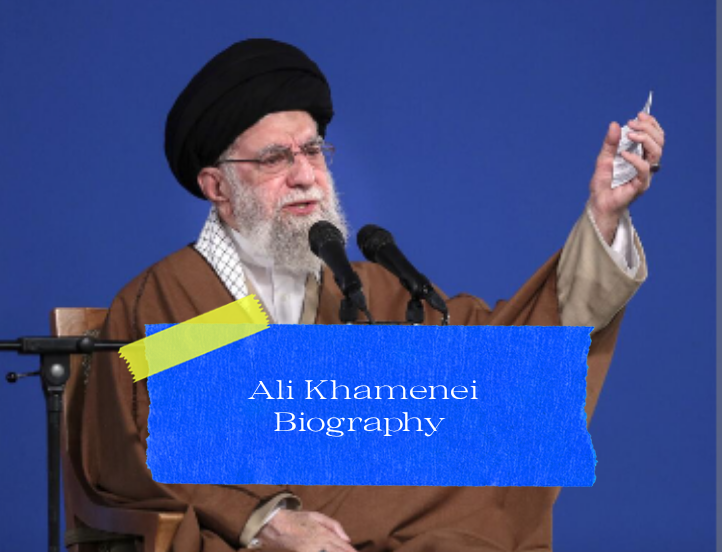
Iran’s Supreme Leader holds a key spot in the country’s government. This role mixes religious guidance with political control. As of March 1, 2026, the position sits empty after the death of Ali Khamenei. He led for 37 years until his assassination on February 28, 2026. A temporary council now handles duties. This group includes President Masoud Pezeshkian, Chief Justice Gholam-Hossein Mohseni-Eje’i, and a member from the Guardian Council.
The Supreme Leader follows the idea of Velayat-e Faqih, or Guardianship of the Islamic Jurist. This comes from Shia Islam beliefs. It means a top cleric guides the nation until a hidden imam returns. The role started in 1979 after the Islamic Revolution. Ruhollah Khomeini was the first to hold it. Iran blends elected leaders with religious oversight. The Supreme Leader has final say on big issues.
Today, Iran faces change. Khamenei’s death came from US-Israeli strikes. This event shakes the region. People ask who will lead next. The Assembly of Experts will pick a new leader soon. This guide explains the role and its history to help you understand Iran’s system.
Biography of Ali Khamenei: The Longest-Serving Supreme Leader
Ali Khamenei was born on April 19, 1939, in Mashhad, a holy city in northeast Iran. His full name was Ali Hosseini Khamenei. He came from a family of clerics. His father, Javad Khamenei, was a scholar from Iraq. His mother was Khadijeh Mirdamadi. They lived simply. As a boy, Khamenei showed interest in religion early. He started cleric studies at age 11.
He moved to Qom for deeper learning. There, he studied under top teachers, including Ruhollah Khomeini. Khamenei earned the title Hojatoleslam. He wore a black turban, showing descent from Prophet Muhammad. In the 1960s, he fought against the Shah’s rule. Police jailed him many times. In 1981, a bomb hurt his right arm, leaving it paralyzed.
Khamenei rose in politics. He helped start the Islamic Republic after the 1979 Revolution. He served on the Revolutionary Council. Then, he led the IRGC briefly. From 1981 to 1989, he was Iran’s President. In 1989, after Khomeini died, the Assembly of Experts chose Khamenei as Supreme Leader. Changes to the constitution helped this. He was not a top marja at first, but he grew into the role.
As leader, Khamenei shaped Iran. He backed a “resistance economy” to fight sanctions. He guided foreign policy, like the nuclear program. He supported groups in the region, such as Hezbollah. At home, he faced protests, like in 2009 and 2022. He kept strict control.
Khamenei had a family. He married in 1964. They had six children. His son Mojtaba is a cleric and possible successor. Khamenei died at age 86 on February 28, 2026, from strikes. His rule lasted 37 years, the longest in Iran’s modern history.
Biography of Ruhollah Khomeini: The Founding Supreme Leader
Ruhollah Khomeini was born on May 17, 1900, in Khomeyn, Iran. Some say September 24, 1902. His full name was Ruhollah Mostafavi Musavi. His family followed Shia Islam. His father, a cleric, died when he was young. Khomeini grew up modest.
He started religious studies early. In the 1920s, he went to Qom. He learned from top scholars. He became an ayatollah, a high cleric rank. He taught and wrote books on Islam. In 1929 or 1931, he married Khadijeh Saqafi. They had five children. Their marriage lasted until her death in 2009.
Khomeini opposed the Shah in the 1960s. He spoke against Western influence. In 1963, arrests sparked riots. Iran exiled him in 1964. He lived in Turkey, then Iraq, and France. From exile, he sent messages. His ideas spread via tapes.
In 1979, protests grew. The Shah left. Khomeini returned on February 1, 1979. Millions greeted him. He led the revolution. Iran became the Islamic Republic. A referendum approved it. Khomeini became Supreme Leader for life.
He set up the IRGC. He handled the hostage crisis from 1979 to 1981. Iran fought Iraq from 1980 to 1988. Khomeini pushed Islamic rule. He died on June 3, 1989, at age 89 from cancer. Millions attended his funeral. He rests in a mausoleum in Tehran. Khomeini founded Iran’s system.
Powers and Responsibilities: What Does the Supreme Leader Do?
The Supreme Leader has wide duties in Iran. The constitution lists them in Article 110. He sets big policies. He watches how they work. He solves fights between government branches.
Here is a list of main powers:
- Sets general policies for Iran, with help from the Expediency Council.
- Oversees how policies run.
- Calls for referendums on key issues.
- Commands the armed forces as top chief.
- Declares war or peace.
- Appoints heads of judiciary, media, and IRGC.
- Picks six members of the Guardian Council.
- Can pardon or reduce sentences.
- Controls intelligence and security.
- Influences elections by vetting candidates via the Guardian Council.
The Supreme Leader guides foreign and home affairs. He oversees the president and parliament. This keeps the system tied to Islamic rules. His role is for life, unless removed.
The Assassination of Ali Khamenei
On February 28, 2026, Ali Khamenei died in US-Israeli airstrikes on Tehran. The attacks targeted top leaders. Khamenei’s office and home were hit. Some family members also died, including a daughter, son-in-law, grandson, and daughter-in-law.
Iran confirmed his death on March 1, 2026. State media declared 40 days of mourning. US President Donald Trump posted about it on Truth Social. Israel said strikes continued into March 1, 2026.
Tensions built from earlier conflicts. In 2023, Hamas attacked Israel. Iran backed groups like Hezbollah. Strikes hit Iran in 2024 and 2025. A 12-day war in 2025 hurt Iran’s nuclear sites. The February 28 strikes were a decapitation move.
Iran fired back with missiles. Protests and mourning filled streets. World leaders reacted. EU’s Kaja Kallas called it a defining moment. Russia said it broke norms. Pakistan sent condolences but noted rules against targeting leaders.
This event ends Khamenei’s era. A council rules now until a new leader is chosen.
Conclusion
Iran’s Supreme Leader role shapes the nation. From Khomeini’s start in 1979 to Khamenei’s end in 2026, it guides politics and faith. Now vacant, the spot raises questions. Will Velayat-e Faqih stay strong? Or will change come?
The Assembly of Experts must act fast. Possible picks include Mojtaba Khamenei. This choice could spark debate. Iran faces unrest and global eyes.
The world watches. Iran’s moves affect the Middle East. Peace or more fights? Stay informed on the Assembly’s picks.
FAQs
Who is the current Supreme Leader of Iran?
As of March 1, 2026, no one holds the title. A council runs things temporarily after Khamenei’s death.
How old was Iran’s Supreme Leader?
Ali Khamenei was 86 when he died on February 28, 2026.
Who chooses the Supreme Leader of Iran?
The Assembly of Experts elects him. It has 88 clerics.
What is the role of the Supreme Leader in Iran?
He sets policies, commands forces, and oversees government.
Who was the first Supreme Leader of Iran?
Ruhollah Khomeini, from 1979 to 1989.
Is the Supreme Leader of Iran elected?
Yes, by the Assembly of Experts for life.
What powers does Iran’s Supreme Leader have?
He declares war, appoints officials, and guides policies.
Who will succeed Ali Khamenei?
The Assembly picks next. Mojtaba Khamenei is one name.
How did Ali Khamenei die?
Killed in US-Israeli strikes on February 28, 2026.